
India: Colonial Echoes and the Rural Heart
My relationship with India spans over a decade, navigating the profound contrasts between its hyper-kinetic cities and the vulnerable beauty of its rural landscapes. In the urban centers of Delhi, Mumbai, and Jaipur, I explore the living legacy of the British colonial era. Here, the architecture serves as a silent narrator of history; structures like the Chhatrapati Shivaji Maharaj Terminus stand as masterpieces of Victorian-Gothic fusion, where British design meets Indian motifs. My writing in these spaces documents what it feels like to inhabit these historic hubs today—places where the East India Company’s trade routes have evolved into the vital, modern arteries of a global power.
Beyond the city limits, my work takes a more intimate turn into the rural villages and forests of the interior. As a trustee of Tigers4Ever, I have been granted unique access to the communities surrounding the Bandhavgarh Forest. In these regions, life is a delicate balance of subsistence farming and insecure daily wages, often complicated by the tension of human-wildlife conflict. These essays and photo studies document the resilience of the people and the conservation efforts required to give wild tigers a future. By bridging the gap between the architectural remnants of a shared British-Indian past and the raw reality of rural life today, I aim to provide a comprehensive portrait of a nation in constant, beautiful flux.
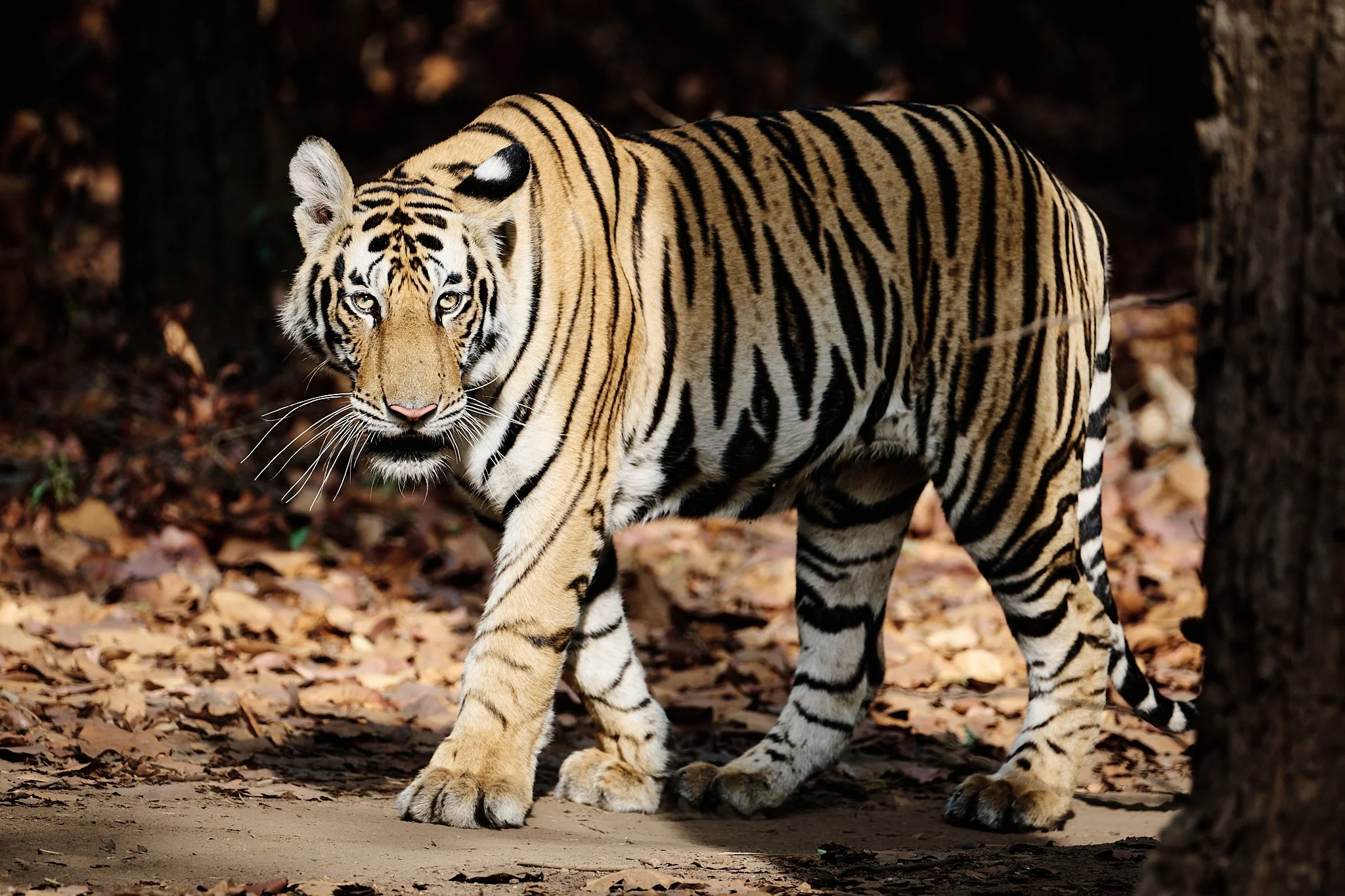
The story is fictional with a theme of conflict. The setting is Bandhavgarh Forest, Kajree is real, and the scenes mirror life for a tigress.